For English-speaking users in India, assessing sweet bonanza online platforms means reading two things at once: international licensing standards and the local regulatory context. Online money gaming and casino facilitation fall under strict frameworks in India through the Promotion and Regulation of Online Gaming Act 2025 and the Rules 2026, which restrict unauthorised real-money gaming operations and related payment processing (MeitY official guidelines, 2025 to 2026).
Disclaimer: this information is general in nature and does not replace legal advice. The legal status of online gambling varies by jurisdiction. Verify the current legislation applicable in your own state or region, and consult a qualified professional where the position is unclear.
In practice, three layers determine your personal exposure, and each should be assessed separately.
- Central framework. The 2025 Act and the 2026 Rules regulate online money gaming nationally and restrict facilitation, advertising and payment processing for unauthorised real-money offerings. The slot itself is not an illegal product; Sweet Bonanza is a certified Pragmatic Play title distributed worldwide. Legality attaches to the operator's authorisation status and to your location, not to the candy graphics.
- State-level rules. Gambling has historically been a state subject in India. Several states impose outright prohibitions on online money gaming, and others apply statutes stricter than the national baseline. Residents of restricted states carry materially higher legal and payment risk. Check your own state legislation before depositing anything.
- Payment and banking friction. Because payment processing for unauthorised operators is restricted, cross-border transfers to gaming merchants are often declined, reversed or flagged by Indian banks and UPI providers. This is the single most common practical complaint players report, and it happens regardless of how reputable the casino itself may be.
On taxation, winnings from online games in India are taxed as income. Section 115BBJ of the Income Tax Act applies a flat 30% rate to net winnings from online games, with tax deduction at source obligations on regulated Indian platforms under Section 194BA, and no basic exemption threshold. Offshore operators do not deduct Indian TDS, which does not erase the liability; the reporting obligation simply shifts to the individual taxpayer. Assessment rules, surcharge and cess treatment change between financial years, so treat the above as orientation and take advice from a chartered accountant before filing.
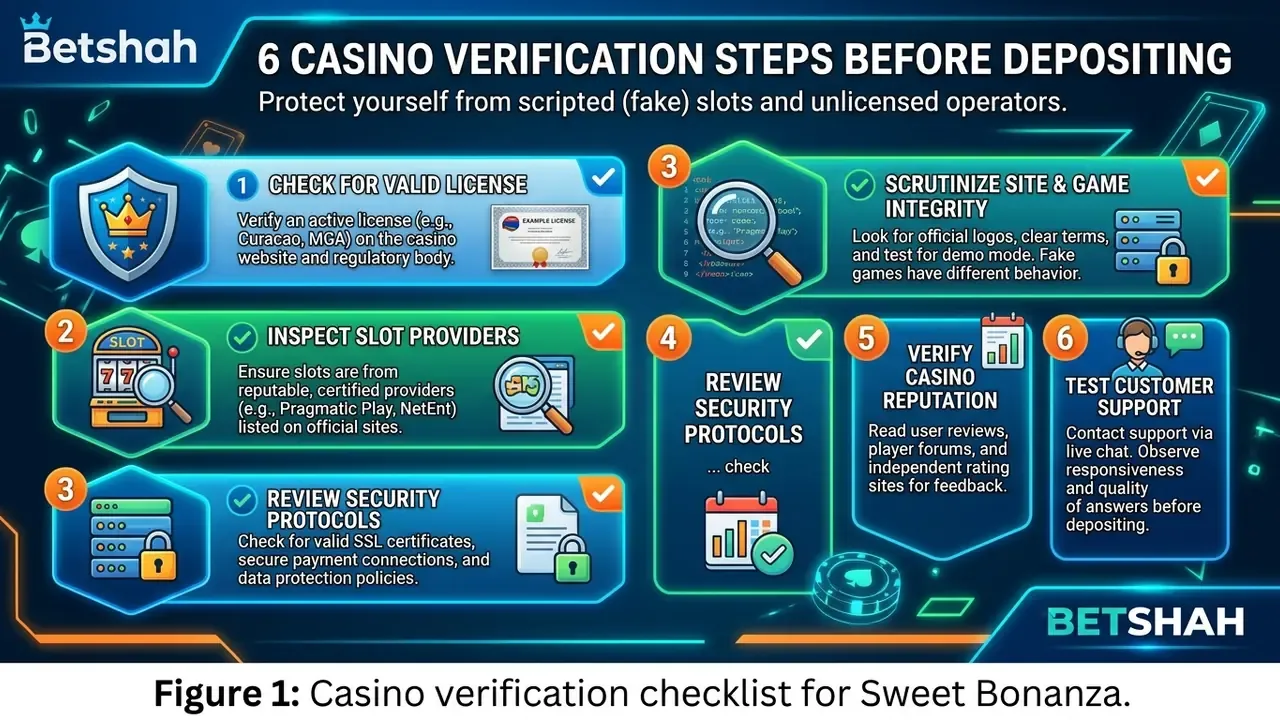
When selecting an offshore platform licensed under MGA or Curacao frameworks, check how account security, identity verification (KYC) and privacy protections are handled. The UK Gambling Commission requires licensees to process personal data in compliance with data-protection law, and the Malta Gaming Authority states that it applies the GDPR and Malta's Data Protection Act to personal data it handles. Comparable published standards for some Caribbean licences are considerably harder to verify, which is a reason for caution rather than proof of misconduct. Platforms following international player protection protocols mandate full KYC, government-issued ID plus address proof, before any cash withdrawal is processed.